
How to Plan an Easy Thai Dinner in Bay Ridge
Use a simple mix-and-match framework to plan a Thai dinner for two, a family, or a small group near Bay Ridge’s 3rd Avenue corridor.
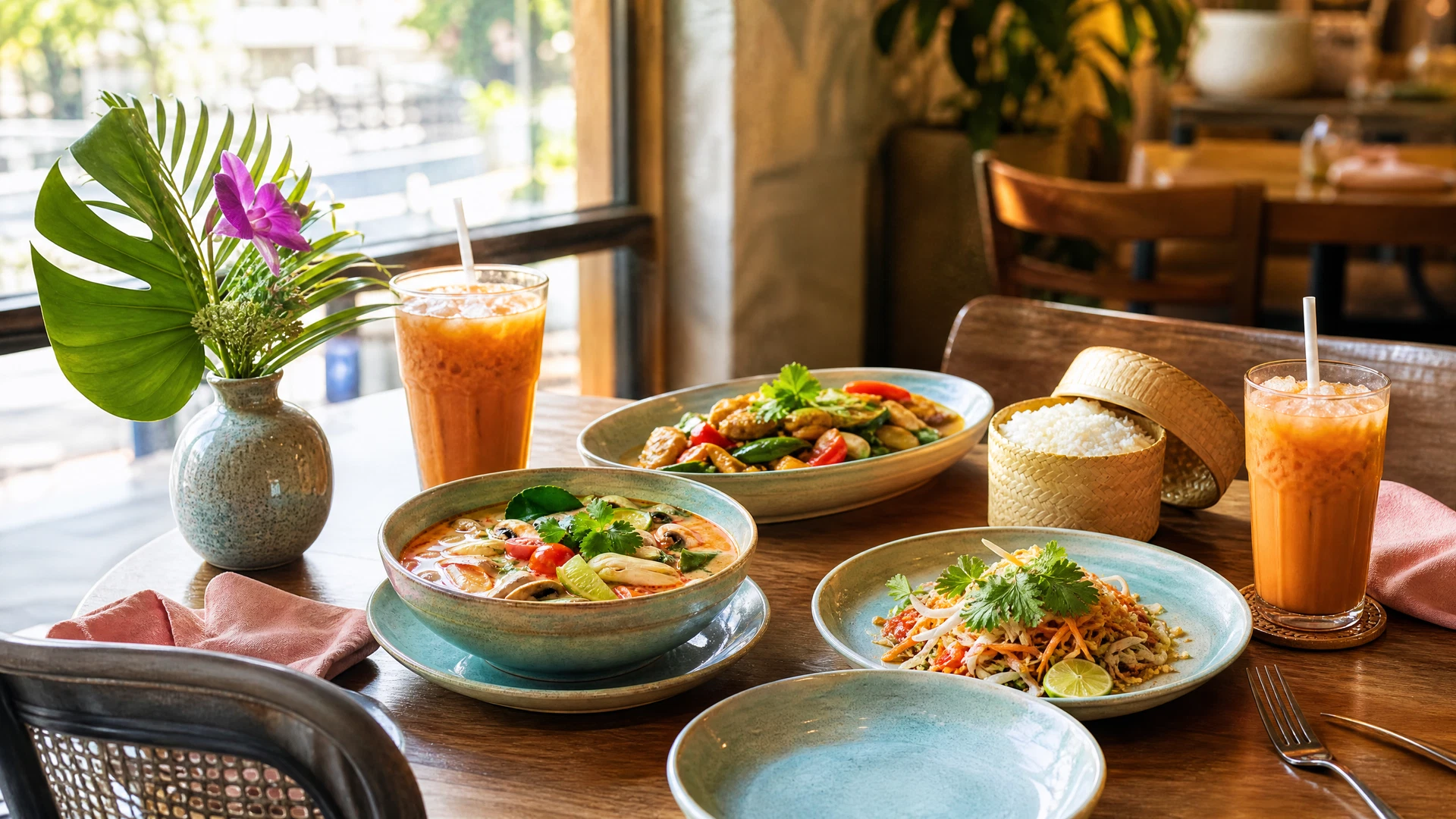
Planning dinner should make the evening easier, not create another project. Thai food is well suited to a flexible plan because rice, noodles, soups, curries, stir-fries, salads, and appetizers can be combined in many ways. The challenge is not finding enough options. It is giving each choice a purpose.
For diners around Bay Ridge, the 3rd Avenue corridor, Sunset Park, Dyker Heights, and southwest Brooklyn, a useful framework can turn a busy-night order into a balanced meal. Start with an anchor, add contrast, consider everyone’s comfort with heat, and choose the dining format that fits the day.
Begin with the Shape of the Evening
Before opening the menu, ask what the meal needs to do. Is this a quick dinner for one, a relaxed meal for two, a family table, or a small gathering? Will everyone eat at the same time? Is the plan to dine in, pick up on the way home, or have dinner delivered?
These practical details narrow the field. A solo lunch may call for one complete noodle or rice dish. A family dinner benefits from shareable plates. A date night may feel more leisurely with a few contrasting dishes served in stages. A group order should include clear labels and a range of flavors so guests can choose comfortably.
Choose One Reliable Anchor
An anchor gives the order structure. Jasmine rice works well when you want to share curries, stir-fries, and vegetable dishes. Noodles can become the anchor when the table wants a complete, saucy texture in one dish. Fried rice offers another self-contained option, especially when convenience matters.
You do not have to choose only one starch, but begin with one. For two people, jasmine rice plus a curry and a vegetable dish may be enough. For a larger group, rice and one noodle dish create two textures without making every plate compete. Starting with the anchor also helps estimate how many saucy or dry dishes the table needs.
Add Contrast Instead of Repetition
A satisfying order usually feels more interesting when dishes differ. If the anchor is soft noodles, add something crisp or fresh. If the main dish is a rich curry, pair it with rice and a vegetable-forward item. If the table includes a tangy soup, choose another dish with a calmer profile rather than repeating the same intensity.
Contrast can come from texture, temperature, cooking method, or aroma. A shared appetizer may provide crunch. A salad can bring freshness. A stir-fry may add the character of a hot wok. The goal is not to check every category. It is to keep the meal from feeling like several versions of the same bite.
Plan Heat Across the Table
Spice preferences are personal, and dish names do not always communicate exact heat. Instead of choosing one intensity for everyone, distribute heat across the order. Select an approachable anchor, one dish with more chile if desired, and at least one mild or cooling companion.
When ordering, describe the group’s preference plainly and ask what adjustments are possible. Remember that recipes and pastes may already contain chile, and kitchens differ in how they prepare each dish. If a diner has an allergy or dietary requirement, ask directly about ingredients and cross-contact rather than relying on assumptions about a cuisine or menu label.
A Simple Dinner for Two
For two diners, begin with jasmine rice or a noodle dish. Add one curry or stir-fry, then choose a contrasting vegetable dish, soup, or appetizer. This creates several combinations without covering the table in containers.
If both diners enjoy trying different flavors, make the dishes shareable. If preferences are very different, choose individual anchors and one item to split. A meal can still feel connected even when every bite is not communal.
A Family or Small-Group Table
For a family or small group, variety becomes more useful. Start with rice, add one noodle dish, then choose two or three dishes with distinct roles: perhaps something saucy, something vegetable-forward, and something crisp or fresh. Include a comfortable heat range and keep at least one broadly approachable option.
Group orders benefit from a quick inventory before checkout. Are there enough rice or noodles? Are several dishes built around the same sauce? Does the table include vegetables? Have dietary questions been confirmed? This short review catches gaps without turning dinner into a spreadsheet.
Dine In, Pick Up, or Order Delivery
Dining in can be a pleasant reset because dishes arrive from the kitchen without home setup. Pickup gives the evening more control and may fit naturally into a commute along 3rd Avenue. Delivery can be helpful when schedules, weather, or family routines make staying home the practical choice.
For takeout, unpack the order before serving. Keep rice and sauces separate until the table is ready, open crisp items last, and place shared dishes where everyone can reach them. Small steps help preserve contrast and make a weeknight meal feel intentional.
Keep the Plan Flexible
No framework should override appetite or curiosity. If a soup sounds especially appealing, build around it. If everyone wants noodles, choose different textures or flavor profiles. If the group prefers familiar dishes, add one new item rather than reinventing the whole order.
The value of a dinner plan is that it reduces uncertainty. It leaves more attention for conversation, the walk home, or a quiet evening after a long day in Brooklyn. The food should support that rhythm.
Your Neighborhood Dinner, Made Simple
An easy Thai dinner begins with four decisions: the shape of the evening, an anchor, a few contrasts, and a comfortable range of heat. From there, dine-in, pickup, and delivery are simply different ways to bring the plan to the table.
Browse Arom Dee Thai’s menu when you are ready to put the framework into practice. Choose the dishes that fit your group, ask questions when ingredients matter, and let a well-shaped meal make the rest of the evening feel easier.