
A Bowl for Every Mood: Finding Comfort in Thai Food
From steamy soups to fragrant rice and noodles, explore the textures, aromas, and flexible choices that make a Thai meal feel especially comforting.
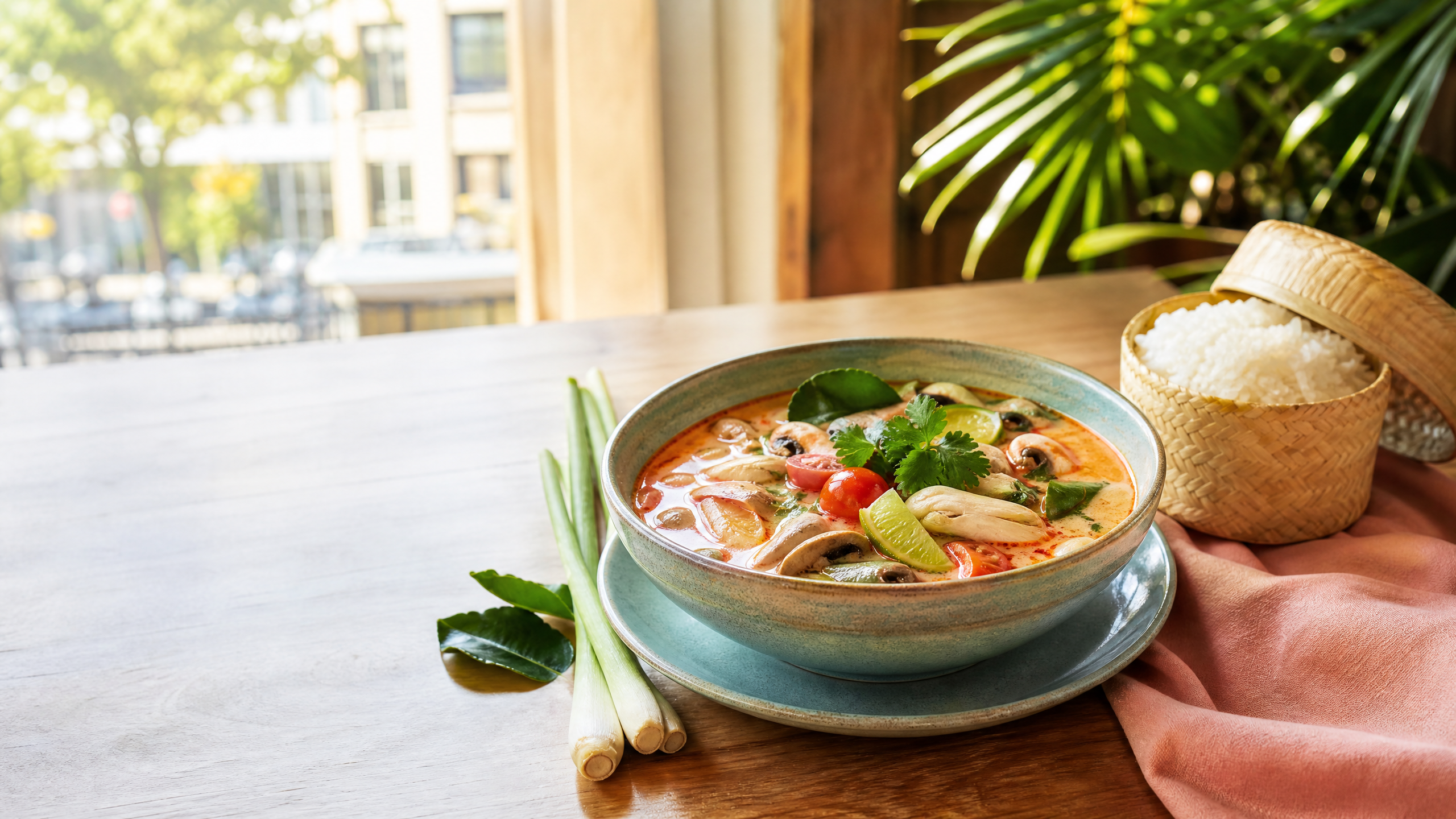
There are days when dinner is about discovery, and there are days when it is about settling in. Thai food makes room for both. A fragrant bowl can feel energizing after a long afternoon, while a quiet plate of rice and vegetables can create the gentle pause an evening needs. Comfort does not come from one recipe or one level of spice. It comes from the way temperature, aroma, texture, and familiar flavors meet the moment.
At Arom Dee Thai in Bay Ridge, the idea behind the name is “good mood.” That spirit fits naturally with comfort food because a satisfying meal can be bright, soothing, lively, or simple without needing to be complicated. The helpful question is not “Which dish is the most comforting?” It is “What kind of comfort sounds right today?”
Comfort Begins Before the First Bite
A comforting meal often announces itself through aroma. Lemongrass can bring a clean citrus note. Basil can feel green and fragrant. Ginger, garlic, toasted spices, and coconut milk can create warmth even before a spoon reaches the bowl. These ingredients do not all appear in every dish, and Thai cooking varies widely by recipe and region, but their aromas show how a meal can engage more than taste alone.
Temperature matters, too. A steaming soup on a windy Brooklyn evening has a different character from a cool, crisp salad in the middle of summer. Both can be comforting because comfort is not limited to richness. Sometimes it is warmth. Sometimes it is freshness. Sometimes it is the reassuring contrast between a hot curry and a spoonful of jasmine rice.
When a Bowl of Soup Fits the Day
Thai soups offer several routes to a cozy meal. Some are clear and aromatic, with herbs and vegetables carrying the flavor. Others are rounded with coconut milk. A tangy soup can feel lively, while a gentler broth can leave more room for the fragrance of herbs and the texture of mushrooms, vegetables, or protein.
Tom yum and tom kha are familiar starting points, but they should not be reduced to a simple “spicy versus creamy” choice. Recipes vary, and the balance of sourness, saltiness, sweetness, heat, and aroma can change the experience. If spice is a concern, ask how a particular soup is prepared and what adjustments are possible. That short conversation is often more useful than assuming a name tells the whole story.
Soup can also become part of a larger table. Pairing a bowl with rice, a vegetable dish, or a shared appetizer allows everyone to move between flavors. The meal feels relaxed because no single plate has to do all the work.
Noodles for Softness, Spring, and Sizzle
Noodles bring their own kind of comfort. Some dishes offer soft, sauce-coated strands; others emphasize a springy bite or the lightly smoky character of a hot wok. A noodle dish can stand on its own for lunch, yet it also works as an anchor for a shared dinner.
Texture is worth thinking about when choosing. If the day calls for something mellow, a softer noodle with vegetables may feel right. If you want contrast, add a crisp appetizer or a bright salad. If the group has different heat preferences, choose a noodle dish with an approachable base and place a spicier dish elsewhere on the table. A varied order lets each person build a comfortable rhythm rather than committing the whole meal to one intensity.
Rice as the Quiet Center
Jasmine rice may be the most understated form of comfort on a Thai table. Its fragrance and soft texture give strongly seasoned dishes a calm place to land. A spoonful of curry with rice tastes different from curry alone because the rice spreads the sauce, softens intensity, and makes each bite easy to shape.
Rice also turns separate dishes into a meal. Place it at the center, then add something saucy, something vegetable-forward, and something with a contrasting texture. This approach works for a solo dinner with leftovers, a family meal, or a casual gathering. It is flexible, and flexibility is one of the quiet pleasures of Thai dining.
Curry and the Comfort of Choice
Curries can feel deeply warming, but color alone does not reliably predict heat or flavor. The character of a curry comes from its paste, herbs, liquid, vegetables, protein, and the choices made in the kitchen. Coconut-based curries may feel round and silky, while other preparations can be sharper, more herbal, or more savory.
For a balanced comfort-food order, think in contrasts. Pair a rich curry with plain jasmine rice and a fresh vegetable dish. Add a crisp starter if you want a change in texture. If you are sharing, ask about heat before ordering so the table includes options that everyone can enjoy. Dietary needs and ingredient questions should always be discussed directly with the restaurant, since recipes and preparation methods differ.
Build the Meal Around Your Mood
For a quiet night, one noodle or rice dish and a soup can feel complete. For a family dinner, start with rice, add a curry or stir-fry, then choose a vegetable dish with a different texture. For a gathering, mix mild and more assertive flavors so guests can explore at their own pace. None of these are rules. They are simple frameworks that reduce decision fatigue.
Comfort can also mean convenience. On a busy evening, pickup or delivery may create the breathing room you need. On another day, sitting down in a neighborhood dining room may be the change of pace that feels restorative. Bay Ridge diners can choose the format that fits the evening rather than forcing every meal into the same routine.
A Good-Mood Meal, Your Way
Thai comfort food is not one fixed category. It might be a fragrant soup, a plate of noodles, a spoonful of curry over rice, or a table of shared dishes with contrasting textures. What connects these choices is their ability to meet you where you are.
When you are ready to plan a comforting meal, explore Arom Dee Thai’s menu and consider the temperature, texture, and flavor balance that sound good today. The result can be lively or gentle, simple or abundant—always shaped around your own idea of a good mood.